Antibodies are proteins used by the immune system to identify and neutralize foreign bodies such as bacteria, viruses or tumor cells. An antibody recognizes a specific target, the antigen, present in the foreign cell of the organism. Each antibody has two sites available, called paratopes, which link to a specific part of the antigen, the epitope. The specificity that determines the affinity between antibodies and antigens is similar to that between locks and keys. This interaction signals a response that activates other components of the immune system to destroy, for example, microorganisms or tumor cells. Antibodies belong to a class of proteins known as immunoglobulins (Ig), which are produced and secreted by B lymphocytes in response to stimulation by antigens.
Monoclonal antibodies (mAbs) are antibodies produced by a single clone of a parent B lymphocyte, and, therefore, are identical in relation to their physical, chemical and biological properties. Antigen-specific mAb populations can also be generated in the laboratory . Such a procedure was described for the first time in 1975 in an article published in the magazine Nature by the scientists Cesar Milstein and Georges Köhler. For their feat, both shared the Nobel Prize for Medicine in 1984 with the Dane Niels Kaj Jerne.
Monoclonal antibodies are produced in the laboratory starting from B lymphocytes generated in mice whose immune systems have been stimulated by antigens of interest. These are called murine antibodies. However, due to their murine origin these antibodies can induce an anti-mouse antibody immune reaction in the human body if used repeatedly. For this reason, the use of mAbs remained limited for two decades to the production of kits for diagnosis and scientific research.
However, modern genetic engineering techniques have allowed investigators to 'humanize' antibodies; that is to say, the genes responsible for the production of these proteins have been modified to eliminate the body's anti-mouse antibody immunological reaction. However, the process of humanization must not alter the antibody's affinity towards the respective antigen.
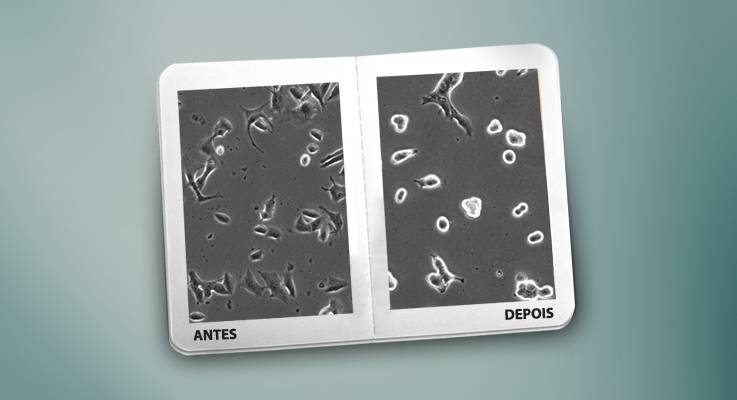
In the area of oncology, a new generation of medicines is being developed based on the capacity of mAbs to recognize specific tumor antigens and to induce an immune response against the cancerous cells. In addition to this, mAbs can be modified to act as carriers of radioactive isotopes or toxins to cancerous cells, amplifying their spectrum of therapeutic application.
Currently, there are few mAbs approved for therapeutic use against cancer. There are, nevertheless, a large number of mAbs under investigation by research institutes and biotechnology companies throughout the world. In Brazil, RECEPTA biopharma company has already initiated its development project involving four mAbs with tremendous potential for cancer treatment. This development effort includes immunohistochemistry analyses, pre-clinical studies and clinical trials (Phases I and II) being conducted within Brazil.